A half-horsepower pump can be an excellent choice for a small house or apartment that only needs moderate water-pressure boosting, but the phrase “half horsepower” alone is not enough to decide whether it is suitable. A single-story home with two bathrooms and light usage is completely different from another property of similar size where more than one shower operates at the same time, or where the water tank is far away or a central filter creates additional pressure loss. What really matters is how much water is needed during peak use, the elevation between the pump and the farthest outlet, the condition of the pipes, and the water source. If these factors are suitable, a Grundfos half-HP pump can provide very good performance without paying for a larger pump that the home does not actually need.
Half-horsepower pump in Kuwait
When searching for a half-horsepower pump in Kuwait, you are usually looking for a practical solution to a moderate pressure problem and want to avoid installing a larger pump without a real reason. A half-HP unit can genuinely be suitable in many homes, but the decision should not be based on motor rating alone because horsepower describes motor capacity more than the actual pressure you will receive at the shower.
The first thing to identify is the seriousness of the pressure problem. If water reaches the property normally but needs a moderate boost at one or two bathrooms, a smaller pump may be reasonable. If the upper floor barely receives water or the house has several outlets operating together, then the system should be calculated before assuming half horsepower is enough.
The second factor is the water source. A pump supplied from a nearby tank through a good suction line operates under better conditions than a pump trying to draw water over a long distance or from a much lower level. Difficult suction conditions can consume part of the available performance before the pump even begins pushing water through the house.
The third point is simultaneous use. A half-HP pump may feel excellent when one shower is running, but the real test comes when a second bathroom or the kitchen is used at the same time. If pressure drops sharply, the required operating point is probably beyond what the current system can comfortably deliver.
The fourth point is the plumbing network. Installing a stronger pump while leaving a clogged filter or restrictive pipe unchanged is not a proper solution. Sometimes the real cause of poor pressure exists in the plumbing itself.
For example, a small house or apartment with two bathrooms where typical use involves one bathroom and the kitchen, with a nearby water source and healthy piping, may be better served by a half-HP pump than by installing a full one-horsepower unit unnecessarily.
The opposite can also be true. A home that is small in floor area but has high-flow showers, a distant water tank, or long pipe runs may require a different calculation even though the property itself is not large.
-
A half-horsepower pump is more suitable when the required pressure boost is moderate rather than when the entire plumbing system has severe pressure weakness
-
Testing the pump with only one shower is not enough because the true capability of the system becomes clear when flow demand rises and more than one outlet operates at the same time
-
The water source suction distance and the condition of the line before the pump affect the result just as much as the motor rating printed on the pump
-
A small property with limited outlets can benefit from half horsepower but this rating should not be treated as a universal rule for every small home in Kuwait
-
A clogged filter or restrictive pipe can make the pump appear weak even when the motor itself is not the real problem
-
Proper selection aims for comfortable stable pressure without pushing the customer toward a larger and more expensive pump when half horsepower genuinely meets the requirement
Grundfos half-horsepower pump for the home
Choosing a Grundfos half-horsepower pump for the home makes sense when the actual household demand falls within the real performance range of the pump, not simply because Grundfos is a well-known brand or because the seller describes the unit as suitable for houses. The brand matters, but the model and operating point matter more because every home has different elevation, flow demand, and pressure losses.
If the property is a single-story home or apartment with a limited number of bathrooms and a nearby water source, its requirements are usually lighter than those of a multi-story villa. In this situation, a smaller pump may provide a noticeable improvement in pressure, especially when the main problem is that gravity or incoming supply pressure is not enough for comfortable shower use.
However, you still need to understand how the household uses water. An apartment with two bathrooms does not automatically have low demand if both bathrooms are used at the same time along with the kitchen and washing machine. The number of bathrooms alone is not enough.
Grundfos offers different types of domestic pressure solutions, and every model has its own performance curve. This means two pumps with similar motor ratings do not necessarily provide identical results in the same house.
Installation location also matters. A pump installed close to living spaces needs careful attention to noise, mounting, and vibration transfer through the pipes. Poor installation can make a good pump feel annoying and lead the homeowner to believe that the problem comes from the pump itself.
The suction line also needs to be suitable. Air leaks, poor connections, or an undersized pipe can reduce performance or make the pump operate inconsistently.
If the house uses a central filter, it should be checked to make sure it is not creating excessive restriction at the required flow rate. A homeowner may install a Grundfos half-HP pump and later discover that pressure is excellent before the filter but weak after it because the restriction comes from the filter rather than the pump.
Most importantly, the pump should not be chosen simply to provide the strongest possible pressure. The objective is to open a shower or faucet and receive stable comfortable pressure without placing unnecessary stress on mixers, the water heater, hoses, and the rest of the plumbing system.
-
A Grundfos half-horsepower pump can be a practical choice for a small home when flow elevation and network losses remain within the actual performance range of the model
-
The number of rooms is not a useful pump-selection rule because what matters is the number of water outlets that operate together
-
The same motor rating can be used in different pump designs so the model performance matters more than the phrase half horsepower by itself
-
Correct pump mounting a healthy suction line and proper installation affect daily comfort noise and performance significantly
-
A central filter must be included in the inspection because pressure loss across a dirty filter can make the homeowner believe the pump is undersized
-
The suitable pump is not the one that creates maximum pressure but the one that provides stable comfortable flow without unnecessary stress on the home plumbing network
When is a half-horsepower pump enough?
The question when is a half-horsepower pump enough cannot be answered with a simple rule such as “it works for one floor but not two floors” because selection does not depend on elevation alone. A half-HP pump may serve one house perfectly and be inadequate for another property with the same number of floors because flow demand, piping, and tank location are different.
The first suitable situation is a small or medium property with limited elevation and only a few outlets operating simultaneously. If normal use is one shower together with a kitchen faucet, for example, the load is lighter than a property where two or three showers operate at once.
The second situation is when the plumbing is in good condition and there is no major pressure loss caused by blockages or undersized pipes. The pump does not operate independently of the system, and every restriction reduces the pressure available at the outlet.
The third situation is a stable water source. If the pump receives enough water from the tank and does not face suction problems, it can use its available performance more effectively. If the source itself is weak, the tank runs low, or suction conditions are poor, the result changes.
The fourth situation is when the goal is to improve comfort rather than handle a very large load. There is a major difference between someone saying the shower pressure is slightly weak and wanting a better experience, and a property where the upper floor receives almost no usable pressure whenever more than one bathroom operates. The second case needs a broader calculation.
For example, a small single-story house or a spacious apartment with two bathrooms, limited simultaneous use, short pipe runs, and a good water source may be well served by a half-HP pump. A two-story home with several bathrooms, long pipework, a central filter, and frequent simultaneous use should not be assumed suitable for half horsepower without checking the required operating point.
Another important point is that the pump should not need to operate at its absolute limit every time demand rises. A better selection leaves a sensible margin so pressure does not immediately collapse when one additional outlet is opened.
If calculations show that a half-HP pump would spend most of its operating time near its maximum capability, choosing a more suitable model can be better than saving a small amount at purchase and replacing the pump later.
-
Half horsepower is more likely to be suitable when elevation is limited simultaneous demand is low and the plumbing network does not create heavy pressure loss
-
A stable water source and healthy suction line allow the pump to use its available capacity better than a system suffering from air leaks or poor supply conditions
-
If the required pressure increase is mainly for improving everyday comfort then a smaller pump may be more appropriate than a system that needs major pressure boosting over several floors
-
Bathroom count alone does not decide the result because two bathrooms operating together can require more flow than four bathrooms that are rarely used at the same time
-
A pump that reaches its maximum capability every time one more outlet is opened is a tight selection even if it manages to serve the home during quiet periods
-
Determining whether half horsepower is enough requires flow elevation network losses and the required operating point rather than a general rule applied to every home
Small pump for boosting water pressure
Choosing a small pump for boosting water pressure is appropriate when the main problem is not a complete lack of water but pressure that is lower than the level needed for comfortable use. Water may already reach every outlet, but the shower feels weak, the upper-floor faucet is weaker than the rest of the house, or pressure drops moderately when another fixture is opened.
In this situation, a smaller pump can be a logical solution because it adds the required support without immediately moving to a pump that is larger than the network needs. Before selecting it, however, you should confirm that the weakness is not caused by a clogged filter, a partially open valve, or a restrictive pipe because adding pump power on top of a plumbing restriction is not a proper repair.
The number of outlets that will depend on the pump should then be reviewed. A small pump may serve one shower and one faucet very well, but if several bathrooms, the kitchen, and other services need water at the same time, the limits of the pump will become more obvious.
Location also matters. A pump installed close to the tank with a short healthy suction line operates under better conditions than a pump trying to draw water over a long distance or from a much lower level. The same model can therefore perform very well in one installation and less effectively in another.
Elevation should be considered as well. A moderate pressure boost in a single-story property or apartment is a lighter duty than pushing water to the highest point of a multi-story villa.
From a daily-use perspective, a correctly selected smaller pump can be an advantage because it delivers what the home actually needs without unnecessary energy use or excessive pressure. If it is undersized, however, weakness will appear every time water demand increases.
For example, a small home with acceptable faucet pressure but a shower that needs improvement, together with limited kitchen use, may benefit from a suitable smaller pump instead of a larger unit that adds little practical value.
-
A small booster pump is suitable when water already reaches the fixtures normally but the goal is to improve pressure rather than compensate for a severely weak system
-
Filters valves and pipe condition should be checked before buying a pump so a restriction is not treated simply by adding more pressure
-
The number of simultaneous outlets reveals whether a small pump is genuinely sufficient more accurately than the total number of fixtures in the property
-
A short healthy suction line and stable water source allow a smaller pump to perform better than an installation with problems before the pump
-
Limited elevation makes half horsepower more likely to be suitable than a system that needs to push water across several floors
-
The real advantage of a smaller pump is providing the required pressure without unnecessary oversizing when the selection is based on the actual household load
Half-horsepower pump for apartments
Choosing a half-horsepower pump for apartments can often make more sense than using the same size in large villas because apartments usually have lower elevation, shorter pipe runs, and a relatively limited number of outlets. This does not mean every apartment needs half horsepower or that half horsepower suits every apartment.
The first point is the water source. If the apartment receives weak pressure from the main supply or a shared tank, a pump may help improve pressure inside the unit, but the installation needs to be suitable for the shared building system and should not create unbalanced suction from a common line.
The number of bathrooms should then be considered. An apartment with one bathroom and a kitchen used separately is very different from an apartment with three bathrooms where two showers may operate together. A half-HP pump can be excellent in the first case and close to its limit in the second depending on the model.
Pipe length also matters even inside an apartment. A large apartment with long runs and distant fixtures can experience more pressure loss than a smaller apartment with the same number of bathrooms.
A household filter should be included in the evaluation as well. If there is a main filter or multiple filtration stages and one is dirty, pressure can remain weak even when the pump itself is healthy. For this reason, filter condition should be checked before increasing pump size.
In practical terms, a half-horsepower pump is more likely to suit an apartment where the goal is comfortable stable pressure rather than running several high-flow fixtures at the same time.
Installation location also matters because noise and vibration are more noticeable in apartments than in a separate service room. Proper mounting, vibration control, and suitable connections help reduce disturbance.
For example, an apartment with two bathrooms and a kitchen where typical use is one bathroom together with one minor additional outlet may reasonably evaluate a half-HP pump before moving directly to one horsepower.
-
Half horsepower is more suitable for apartments where the number of active outlets is limited and simultaneous demand is not high
-
The apartment water source needs to be checked because the pump should not create a problem in a shared system or depend on a line that cannot supply enough water
-
Having more than one bathroom does not automatically make half horsepower too small because the number of bathrooms used at the same time matters more
-
Household filters can reduce pressure significantly so they should be inspected before deciding that the pump needs a higher rating
-
Pipe length inside the apartment can contribute to pressure loss even when the number of floors is not a major factor
-
Pump mounting and vibration control are particularly important in apartments because installation quality affects comfort almost as much as motor power
Half horsepower for boosting water pressure
Using half horsepower for boosting water pressure works well when the additional pressure required is moderate and the system does not need very high flow or a major elevation increase. If the problem is simply a weak shower or a slight pressure drop at a higher fixture, a half-HP pump can perform very well depending on the model and plumbing system.
If the problem is that water barely reaches the fixture or almost disappears when another outlet is opened, half horsepower should not be selected without calculation. The required head or flow may be higher than what the pump can maintain at the real operating point.
It is also important to distinguish between pressure boosting and simply lifting water to a higher level. The two are related but not identical. A pump may be able to move water to an upper floor while leaving very little usable pressure at the faucet because most of its available head is consumed by elevation and network losses.
For this reason, there should be enough performance margin after accounting for elevation, pipework, and filters. The goal is not only for water to arrive but for it to arrive at a comfortable pressure.
In practical terms, half horsepower is more suitable where simultaneous demand is limited and there are no high-flow fixtures. A home with several large rain showers, bathtubs, or other high-demand outlets can require more flow than a small pump can maintain at the desired pressure.
Incoming pressure also matters. A system that already has acceptable inlet pressure and only needs a moderate boost is easier to serve than a system that effectively starts with almost no pressure.
A common mistake is choosing half horsepower only to save money without checking the result. If the pump operates near its maximum capacity most of the time, the experience may be less comfortable and an upgrade may be needed sooner than expected.
-
Half horsepower is more suitable for pressure boosting when the additional demand is moderate and does not require high flow together with large elevation
-
Water reaching an upper fixture does not automatically mean usable pressure is sufficient because part of the pump capability is consumed by elevation and system losses
-
Existing inlet pressure helps a half-HP pump more than a system that requires the pump to create almost all of the final pressure
-
High-flow fixtures such as certain large showers can make half horsepower insufficient even when the total number of bathrooms is small
-
A pump that operates close to its maximum capability most of the time is a sign that the selection may be too tight and a different model should be evaluated
-
The correct decision should be based on pressure at the final point of use rather than simply whether the pump can move water to that location
Grundfos pump for small homes
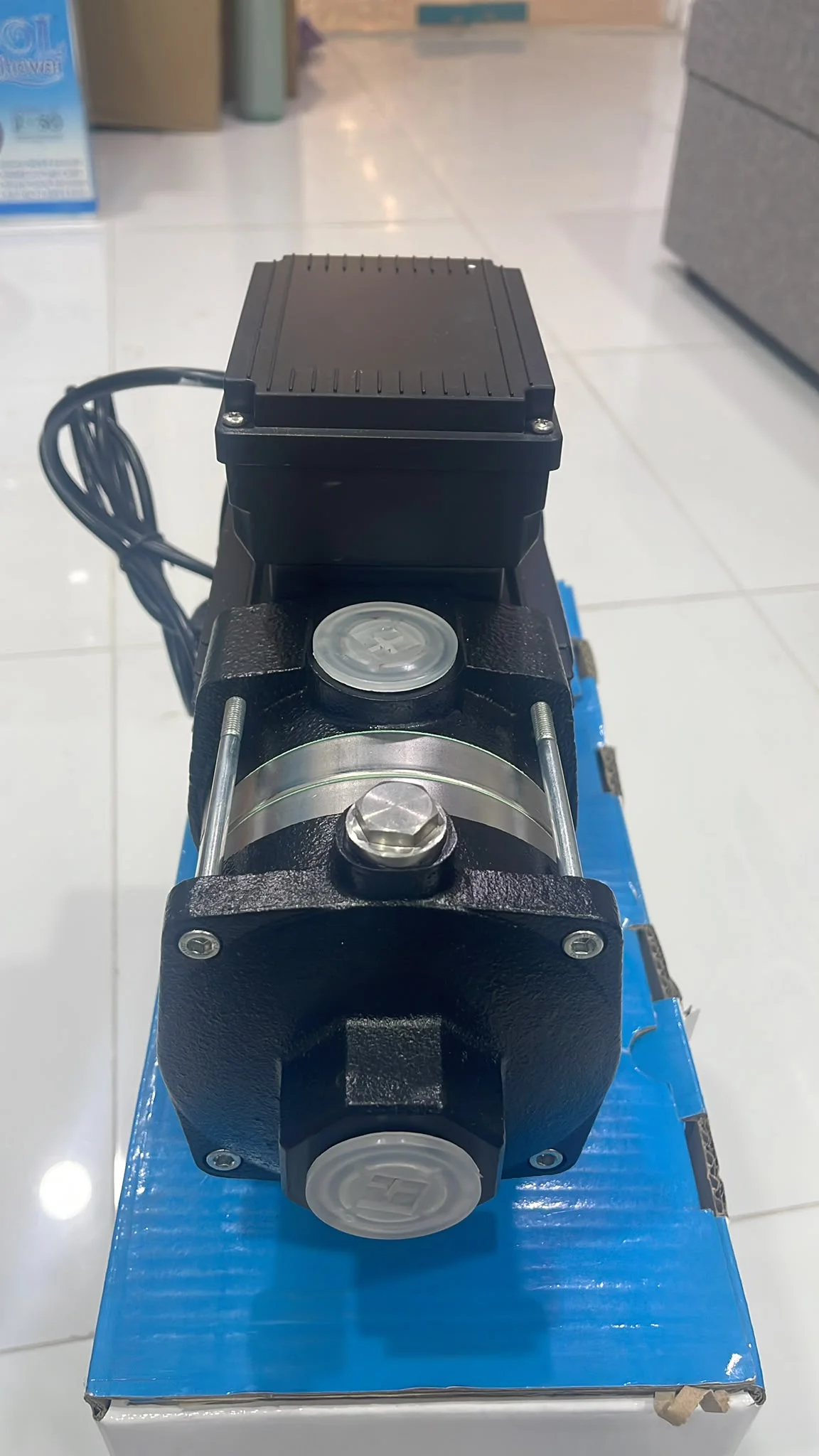
Choosing a Grundfos pump for small homes makes sense when household demand is clearly defined and relatively limited rather than requiring high flow from several fixtures at once. A small home does not automatically mean that any small pump will be enough, but shorter pipe runs and fewer outlets often make a half-HP option more reasonable than in a large multi-story villa.
The first thing to review is how the home uses water. If there are one or two bathrooms and a kitchen and normal use is limited to one or two outlets at a time, the load is relatively light. If the same small house has a high-flow rain shower or frequent simultaneous use, the requirement changes.
The water source should then be evaluated. If the pump receives an adequate supply from a nearby tank, operating conditions are favorable. If the tank is far away, the suction line is long, air enters the line, or the pipe diameter is too small, part of the pump’s performance is lost before it begins boosting the internal network.
Filters also need to be included. Even in a small home, a dirty central filter can make a half-HP pump appear weak. In some cases, servicing the filter can improve pressure substantially without changing the pump at all.
The location of the highest outlet matters as well. A small single-story house places a lighter head requirement on the pump than a compact two-story property.
From a value perspective, half horsepower can be an excellent choice when it delivers the required pressure without unnecessary oversizing. The objective is not to buy the largest motor but to install a model that operates comfortably within an appropriate range.
-
Small homes are often more suitable for half horsepower because they usually have fewer outlets and shorter pipe runs but final selection still depends on flow and elevation
-
A high-flow shower or simultaneous use can raise demand even when the property itself is small
-
A good suction line from the tank helps a smaller pump deliver performance closer to its real capability
-
A dirty filter can be the main cause of weak pressure and may make the homeowner wrongly assume that the pump itself is too small
-
Elevation remains important even in small properties because a compact two-story house is not the same as a single-story home
-
Selecting the correct Grundfos pump depends on the model and operating point rather than the property size or brand name alone
Using a half-horsepower pump
Using a half-horsepower pump is appropriate when the system needs a moderate level of support and does not force the pump to operate beyond its comfortable range most of the time. If the goal is improving pressure at a shower or several faucets inside a small home or apartment, half horsepower can be a sensible option to evaluate.
If daily use regularly includes several bathrooms and other services at the same time, a smaller pump may spend much of its operation near the upper end of its performance curve. In that situation, pressure stability can suffer as demand increases.
It is important to remember that half horsepower is not a fixed magic number. Pump design, efficiency, and operating point all matter. One half-HP model can be more suitable than another model with the same motor rating in the same property.
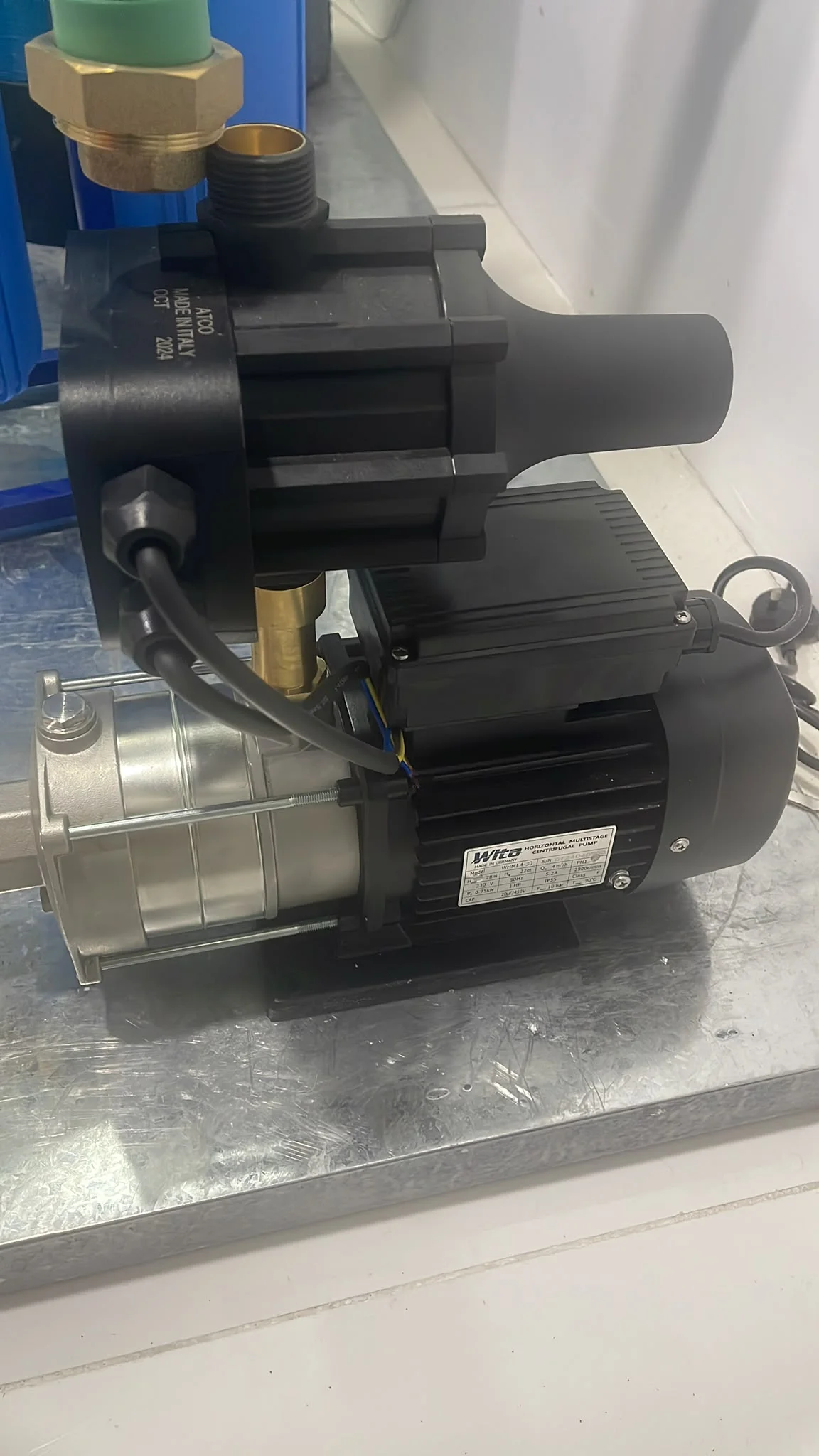
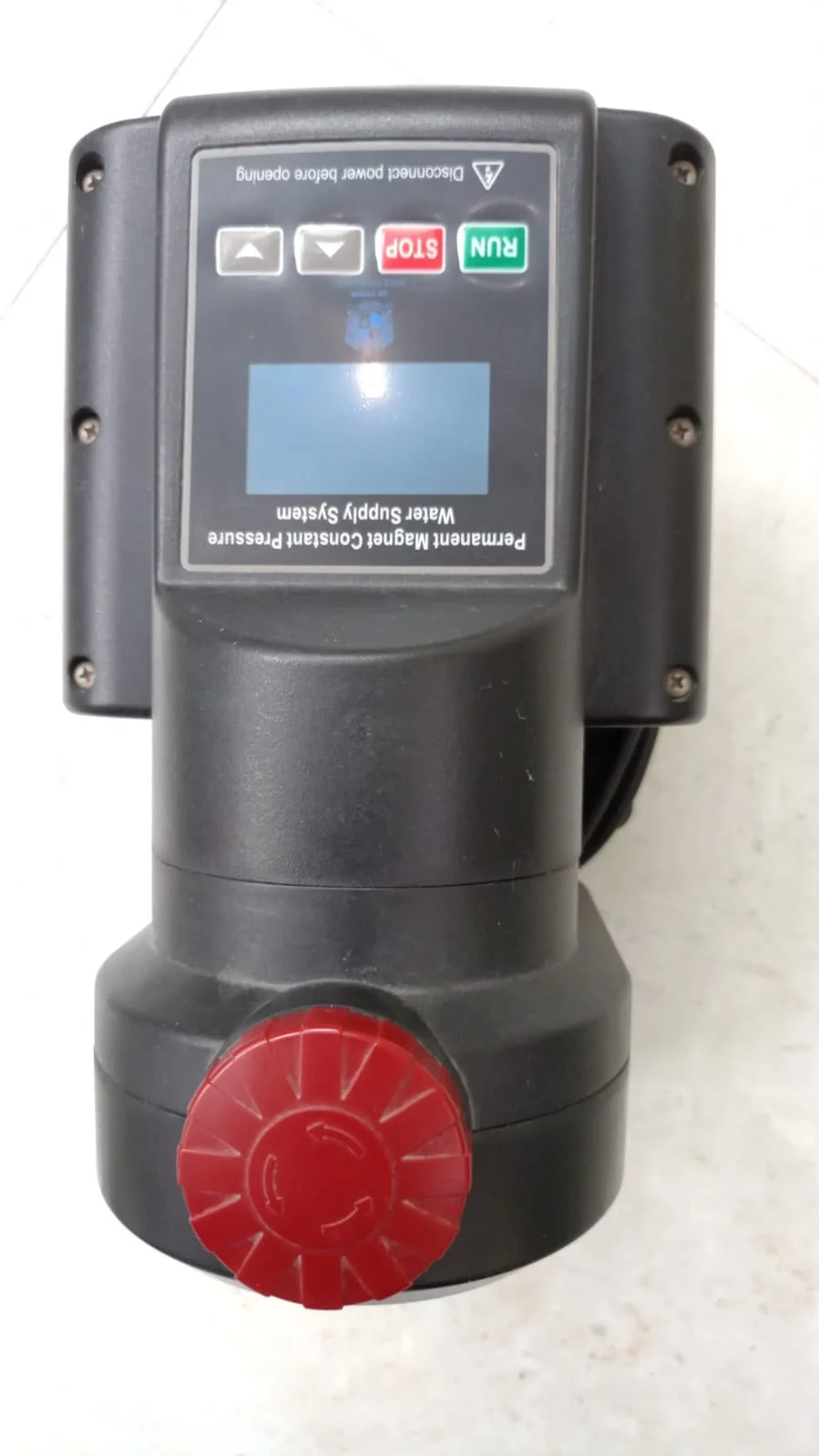
The control system also matters. If the installation uses a start-stop controller, settings need to be suitable so the pump does not cycle excessively. With a variable-speed system, operation is different because the pump adjusts performance according to demand.
Installation location can also affect day-to-day use. A pump installed in direct sunlight, in a poorly ventilated location, or with severe vibration can create a poor experience even when the selected power is correct.
Maintenance matters as well. A suction filter, non-return valve, or any component before the pump can reduce performance if it develops a problem over time.
-
Half horsepower is more suitable when daily demand is moderate and simultaneous use is limited
-
Operating close to maximum pump capacity all the time means the system should be reviewed rather than assuming that any pump that runs is automatically suitable
-
Two half-horsepower pumps can provide different results depending on hydraulic design and operating curve
-
Controller type and pressure settings influence comfort and the number of pump start cycles
-
Installation location ventilation and vibration control are part of actual operating quality
-
Regular maintenance of components before the pump matters because any restriction can reduce performance even when the motor is healthy
Capacity of a small water pump
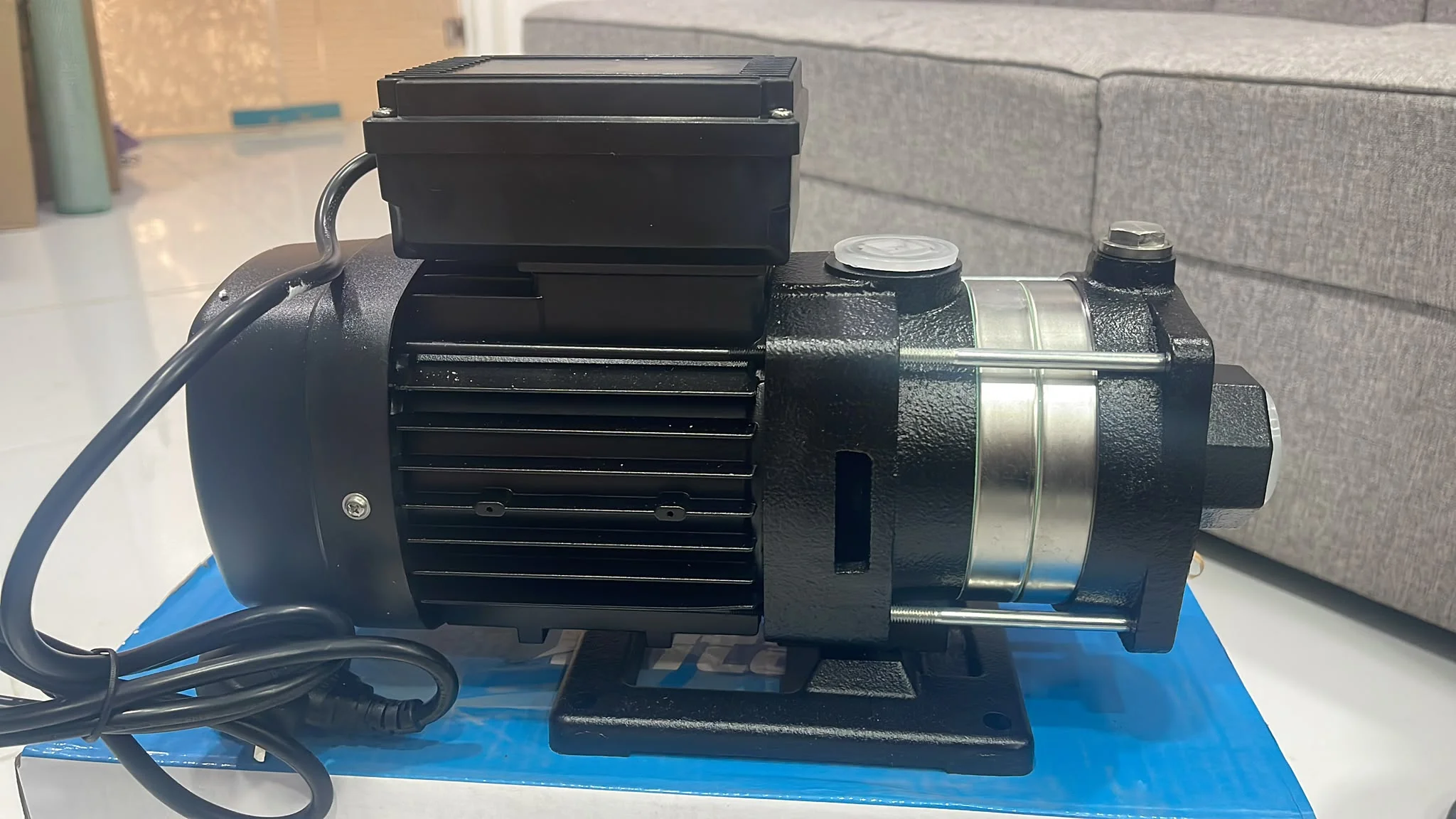
Evaluating the capacity of a small water pump should be based on what the pump actually delivers under realistic use rather than the physical size of the unit or the motor rating alone. A smaller pump can be excellent when it provides the required flow and pressure within a comfortable operating range.
The first step is to define the maximum realistic number of outlets expected to operate at the same time. If demand is limited, a smaller pump has a better chance of maintaining pressure without excessive strain.
Next comes total head. Every meter of elevation and every pressure loss through pipes and filters reduces the pressure remaining at the fixture. The same small pump can therefore feel powerful in one property and limited in another.
The pump should not be judged from a single short test either. Testing should include more than one outlet and should last long enough to show whether pressure remains stable or falls once demand rises.
If the pump provides excellent pressure at one outlet but drops significantly when a second outlet is opened, the system is operating close to its limit.
On the other hand, if pressure remains comfortable under the expected usage pattern, there is no reason to increase pump size simply because a larger model exists.
Correct sizing therefore saves money, protects the plumbing network, and produces quieter and more stable operation.
-
Small-pump capacity should be measured by real flow and pressure under load rather than the physical size of the unit or motor rating alone
-
Every elevation increase and pressure loss in the plumbing consumes part of the capacity available at the point of use
-
The meaningful test is simultaneous-use performance rather than one faucet operating by itself
-
A major pressure drop when a second outlet is opened shows that the system is close to its operating limit
-
If pressure remains comfortable during expected household use then increasing pump size is usually unnecessary
-
Correct sizing lowers cost avoids excessive pressure and helps maintain stable operation throughout the plumbing system
Installing a half-horsepower pump for the home
Installing a half-horsepower pump for the home does not begin when the technician arrives with tools. It starts by confirming that half horsepower is actually suitable for the property. Even perfect installation cannot compensate for a pump that is too small for the demand, and a powerful pump cannot perform properly when the suction line or plumbing network has an unresolved problem.
The first step is choosing the installation location. The pump should be positioned as appropriately as possible near the water source, remain accessible for maintenance, and avoid conditions where excessive heat or moisture can damage components. Mounting should also be stable so vibration is not transferred through the pipes and turned into annoying noise inside the home.
The suction line should then be checked carefully. Correct diameter and the absence of air leaks are essential because a pump drawing air instead of receiving a stable water supply can operate inconsistently and show weak pressure even when the motor itself is healthy.
A non-return valve may also be an important part of the system depending on the installation design because it prevents reverse flow and helps maintain line stability. Its requirement and location depend on the specific arrangement and should not be treated as identical in every installation.
If the system uses a traditional controller and pressure tank, operating pressures need to be adjusted correctly. Pressure that is set too low can leave the homeowner feeling that the pump achieved nothing, while excessively high pressure can place unnecessary stress on the plumbing system.
After installation, opening one faucet is not enough to confirm success. The property should be tested under a scenario close to normal use. For example, a shower and another faucet can be operated together to see whether pressure remains comfortable or falls significantly.
All connections should also be checked for leakage, and the pump should not start and stop rapidly in repeated cycles. Frequent cycling can indicate unsuitable pressure settings, a leak, or a pressure-tank problem.
If testing shows that the pump operates at its limit every time demand rises, the problem may not be the installation itself. Half horsepower may simply be too small for the required operating point.
-
Pump location should support maintenance stable mounting and low vibration because installation quality directly affects household comfort
-
A healthy suction line without air leakage is essential for the pump to deliver its real performance
-
The non-return valve controller and pressure tank should be selected and adjusted according to the actual system rather than using one standard arrangement for every property
-
The pump should be tested with more than one water outlet after installation so its behavior under real demand can be evaluated
-
Rapid repeated starting and stopping requires inspection because it may come from incorrect pressure settings a leak or an unsuitable pressure-tank setup
-
If a half-HP pump loses pressure every time demand increases despite correct installation then the issue is likely pump sizing rather than installation quality
Conclusion
A Grundfos half-horsepower pump can be an excellent choice for many apartments and small homes in Kuwait, but not simply because it is “half horsepower.” Success depends on what the pump is actually required to do.
If the property has limited elevation, only a few simultaneous outlets, a stable water source, and healthy plumbing, a smaller pump can be a logical and comfortable choice without paying for power that is not needed.
If the home has several floors, multiple bathrooms operating at the same time, a distant tank, long pipe runs, or filters that create noticeable pressure loss, the system should be calculated before purchase.
The important point is not to choose half horsepower only to save money and not to assume that a stronger pump is always better. When half horsepower is correctly matched, it can provide stable pressure, lower cost, and comfortable operation. If it is too small, its limitations will become clear every time household demand increases.
The right decision comes from understanding flow demand, elevation, and the condition of the plumbing network and then checking whether a half-HP model operates within a comfortable range.
Frequently Asked Questions
Can a half-horsepower pump serve an entire house?
It can if the property is small or medium-sized, simultaneous demand is limited, elevation is not excessive, and the water source is stable.
Is half horsepower suitable for an apartment with two bathrooms?
It can often be suitable when normal usage is moderate and the required pressure boost is not large, but the plumbing network and water source should still be checked.
Can a half-horsepower pump work for two floors?
It can in some cases, but the number of floors alone is not enough because flow demand, number of outlets, pipe length, and plumbing losses also affect the result.
How do I know if half horsepower is too small for my home?
If pressure drops sharply every time a second outlet is opened or the pump operates near its maximum capability most of the time, the selection should be reviewed.
Does a half-horsepower pump create strong pressure?
It depends on the model and operating point. It can provide excellent boosting in a small property and limited performance in a system that requires greater head and flow.
Is a half-horsepower Grundfos better than a one-horsepower pump?
Not in absolute terms. The better pump is the one that matches the real requirement because a larger pump is not automatically more comfortable or more suitable.
Can a central filter affect a half-horsepower pump?
Yes. A dirty or undersized filter can create significant pressure loss and make the pump appear weaker than it actually is.
Is installing the pump close to the water tank better?
It is often beneficial because a shorter stable suction line reduces pressure loss and problems related to air entering the suction side.
Do I need a pressure tank with a half-horsepower pump?
It depends on the type of pump and control system. Some traditional setups use a pressure tank while smart or integrated systems can operate differently.
Should I choose half horsepower to save electricity?
Pump size should not be selected from electricity use alone. If the pump is too small and operates continuously under heavy load, the result may be neither comfortable nor economical.